
Master of Arts in Art Therapy and Counseling
The Master of Arts in Art Therapy and Counseling (MAATC) is committed to providing a high quality and holistic educational experience.
Overview
The Master of Arts in Art Therapy and Counseling (MAATC) is committed to providing a high quality and holistic educational experience. By combining a deep understanding of art materials, the healing potential of the creative process, and sound psychological theory, students are prepared to succeed in this exciting field. The program encourages professional growth within a cohesive and passionate community of students who are sensitive to an ethical, reflective, and socially-aware practice of art therapy. The hallmark of the course curriculum is an intensive, rigorous, and rewarding student-centered approach that fosters reflective thinking and a deep respect for diversity of the human experience.
What is Art Therapy?
- A human service profession that blends the disciplines of art, psychology, and counseling
- Clients of varied populations use art and the creative process in therapy and as therapy
- Communication with art uses a universal language to promote connection and healing relationships with self and others
WFSB How Art Therapy Is Impacting Albertus Magnus
The Albertus Art Therapy and Counseling Degree Program
The Master of Arts in Art Therapy and Counseling Program at Albertus Magnus College offers a progressive and comprehensive curriculum designed to provide students and graduates with a range of hands-on, experiential learning opportunities that will help them succeed as individual or group therapists in a variety of clinical settings.
The 60-credit program allows graduates to meet all educational requirements for licensure
as a Licensed Professional Counselor (LPC) and Clinical Licensed Art Therapist (CLAT)
in the state of Connecticut as well as national registration and certification as
an art therapist (ATR-BC) with the Art Therapy Credentials Board.. 
The Albertus MAATC program is accredited by the Commission on Accreditation of Allied Health Education Programs (CAAHEP) upon the recommendation of The Accreditation Council for Art Therapy Education.
Commission on Accreditation of Allied Health Education Programs
25400 US Hwy 19 N., Suite 158
Clearwater, FL 33763
Albertus Magnus College is approved by the CT Office Higher Education to participate as a SARA institution.
The MAATC program is the only graduate art therapy program in the state of Connecticut. It is distinctive in its rigorous course of study in theories and techniques of art therapy and counseling. The curriculum is structured through a progressive course sequence where students build competencies through experiential learning practices, art-making processes, and the exploration of the intersection of art and psychology. Through this sequence of study, students develop a strong professional identity based in ethical practices that meet educational standards put forth by the Commission on Accreditation of Allied Health Education Programs (CAAHEP).
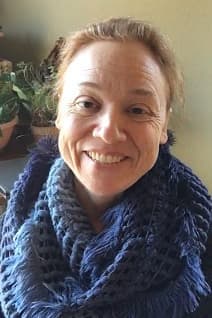
Rebecca Arnold, Director of Master of Arts in Art Therapy and Counseling
The Albertus Art Therapy and Counseling Program Director

Employment Outcomes & Retention Information of Master of Arts in Art Therapy & Counseling Graduates
| Positive Placement by Graduation Year | 2022 | 2023 | 2024 |
|---|---|---|---|
| # Graduated | 12 | 9 | 16 |
| % Employed Positive Placement Rate | 100% | 100% | 88% |
| % Knowledge Rate | 100% | 100% | 94% |
| Retention by Cohort Year | 2023 | 2024 | 2025 |
|---|---|---|---|
| # Initially Enrolled | 10 | 11 | 13 |
| Attrition Due to Non-Academic Reasons | 2 | 2 | 0 |
| # Dropped Out | 0 | 0 | 0 |
| # In-Progress | 2 | 9 | 13 |
| # Graduated | 6 | 0 | 0 |
| Retention Percentage | 80% | 82% | 100% |
Program Goals & Objectives
Students meet all educational requirements for licensure as a professional counselor (LPC) in the State of CT.
The Master of Arts in Art Therapy and Counseling is committed to providing a high quality educational experience. We promote professional growth within a cohesive and passionate community of students who are sensitive to the ethical, reflective and socially aware practice of art therapy. The hallmark of the program is the intensive, rigorous and rewarding student-centered preparation that fosters reflective thinking, respect for the diversity of human experience, recognition of the value of creative exploration blended with sound psychological theory and scientific research, as well as resiliency through compassion.
The Master of Arts in Art Therapy and Counseling program is designed to prepare students to become practicing art therapists and licensed professional counselors in Connecticut. The program emphasizes the theoretical, practical, and ethical aspects of art therapy practice. Students are trained in foundations and techniques of art therapy, assessment, therapeutic techniques, and research. In addition, the curriculum provides a strong foundation in psychology and counseling to prepare graduates for the licensure exam. Classroom knowledge is applied in working with clients in internships under the supervision of registered art therapists or licensed clinicians. Internship placements occur in a variety of settings and with diverse populations including mental health clinics, geriatric facilities, medical settings, residential treatment centers, outpatient clinics, community centers, and schools. Graduates of the MAATC Program function effectively as members of a treatment team or as a primary art therapist.
Program Goals and Objectives
The Master of Arts in Art Therapy and Counseling Program is structured to prepare art therapists who are competent in the cognitive (knowledge), psychomotor (skills), and affective (behavior) learning domains to enter the profession.
The program goals for our graduating students include the following:
- To promote the highest level of clinical competence
- To foster scholarly and research skills that inform the competent practice of art therapy
- To enact principled ethical behavior in art therapy practice
- To think critically and reflectively to deliver the highest level of art therapy service
- To deliver services in a socially and culturally sensitive manner
- To instill a desire to continually strive for professional development
These program goals are achieved through a combination of theory-based learning, experiential learning using art experientials and the creative process, and service learning through practicum experience. Student learning outcomes and competencies are assessed in a variety of ways, including but not limited to course content examinations, theory papers based in evidence-based practice, design and implementation of research projects, feedback from practicum supervisors, reflective writing, and engagement in the creative process.
The mission and curriculum of the MAATC Program is consistent with the mission statement of Albertus Magnus College. Both embrace solid academic grounding, a sense of responsibility to the community, education that leads students to personally and professionally productive careers, and an educational atmosphere that promotes students’ realization of their potentials as scholars and ethical professionals. The curriculum of the MAATC Program, as designed and accomplished, fulfills Albertus Magnus College’s mission.
Student Learning Outcomes
Student learning outcomes highlight knowledge, skills and affective/behaviors critical to successful entry-level job performance of an Art Therapy program graduate. Achievement of learning outcomes upon completion of the program is demonstrated by a graduate’s knowledge and ability to:
SLO 1 - To promote the highest level of clinical competence by learning to apply principles of human development (including artistic, creative, cognitive, social, emotional, human sexuality, gender identity, family life cycle) to the assessment and treatment of clients.
SLO 2 - To promote the highest level of clinical competence by learning to distinguish and apply the appropriate materials, methods and techniques for the treatment of individuals, groups and families in art therapy and counseling.
SLO 3 - To promote the highest level of clinical competence by learning to identify basic diagnostic processes, major categories/criteria for mental disorders, corresponding treatments, and commonly prescribed psychopharmacological medications.
SLO 4 - To foster scholarly and research skills that inform the competent practice of art therapy by building an understanding of basic research methodologies and design formats used in the field to support efficacy in art therapy practice.
SLO 5 - To foster scholarly and research skills that inform the competent practice of art therapy by understanding the value of research to inform competency, best practice, successful interventions and patterns of care in the field.
SLO 6 - To foster scholarly and research skills that inform the competent practice of art therapy by recognizing the legal, ethical, and cultural considerations when conducting art therapy research.
SLO 7 - To enact principled ethical behavior in art therapy practice by recognizing and responding appropriately to ethical and legal dilemmas using ethical decision- making models, supervision, and professional and legal consultation when necessary.
SLO 8 - To enact principled ethical behavior in art therapy practice by knowing federal and state laws as well as professional ethics as they apply to the research and practice of art therapy.
SLO 9 - To think critically and reflectively to deliver the highest level of art therapy service by understanding the historical development of art therapy as a profession, art therapy theories and techniques, as a foundation for contemporary art therapy professional practice including technologically mediated practices.
SLO 10 - To think critically and reflectively to deliver the highest level of art therapy service by recognizing clients’ use of imagery, creativity, symbolism, and metaphor as valuable means for communicating challenges and strengths; support clients’ use of art making for promoting growth and well-being.
SLO 11 - To think critically and reflectively to deliver the highest level of art therapy service by continuously deepening self-understanding through personal growth experiences, reflective practice, and personal art-making to strengthen a personal connection to the creative process as a guide for professional practice.
SLO 12 - To deliver services in a socially and culturally sensitive manner by recognizing that art therapy, from a multicultural perspective, takes into consideration the specific values, beliefs, and actions influenced by a client’s race, ethnicity, nationality, gender, religion, socioeconomic status, political views, sexual orientation, geographic region, physical capacity or disability, and historical or current experiences within the dominant culture.
SLO 13 - To deliver services in a socially and culturally sensitive manner by developing culturally appropriate, collaborative, and productive therapeutic relationships with clients.
SLO 14 - To deliver services in a socially and culturally sensitive manner by selecting culturally and developmentally appropriate assessment and evaluation methods and administer and interpret results to identify challenges, strengths, resilience, and resources for art therapy treatment planning.
SLO 15 - To deliver services in a socially and culturally sensitive manner by recognizing the impact of oppression, prejudice, discrimination, and privilege on access to mental health care, and develop responsive practices that include collaboration, empowerment, advocacy, and social justice action.
SLO 16 - To instill a desire to continually strive for professional development by pursuing professional development through supervision, accessing current art therapy literature, research, best practices, and continuing educational activities to inform clinical practice.
SLO 17 - To instill a desire to continually strive for professional development by understanding one’s professional roles as and responsibility as an art therapist and counselor to engage in advocacy, endeavors as they relate to involvement in professional organizations and advancement of the profession.
Interested in learning more about the diverse courses offered at Albertus?
Fieldwork consists of 100 hours of observation of an art therapist in practice. Following, students complete 630 hours of internship experience under the supervision of a Registered Art Therapist or other master’s trained, licensed mental health professional. Placements occur over two years and with diverse populations and treatment settings that include community-based, educational, medical, and clinical models of care.
Rebecca Arnold, Associate Professor and Clinical Coordinator
Art Therapy and Counseling Admission Requirements
To be admitted to the Art Therapy and Counseling program, applicants must submit the following:
General Requirements
The following will be required of all applicants accepted into the Master of Arts in Art Therapy and Counseling Program:
- A bachelor's degree from a regionally accredited college or university
- A minimum cumulative grade point average of 3.0 on a 4.0 system
- A minimum of 18 credits in studio art. Credits must include courses in drawing, painting, and sculpture, with a minimum cumulative grade point average of 3.0
- A minimum of 15 credits in psychology. Credits must include Developmental Psychology, Abnormal Psychology, and a course in Statistics for the Social Sciences, with a minimum cumulative grade point average of 3.0
- For non-native English-speakers, proficiency in English as demonstrated by at least three years of successful academic work at a college or university using English as the primary language of instruction and evaluation, or by a minimum TOEFL score of 550 paper-based, 80 internet-based, or 213 computer-based
Students who lack some of the above requirements may be admitted to the Program on a conditional basis. Students will not be permitted to take graduate courses without having successfully completed a minimum of 12 undergraduate credits in psychology and 15 undergraduate credits in studio art. Outstanding prerequisites must be completed within the first year of the program.
Admission to the MAATC Program is selective and competitive, and not every applicant who meets the above criteria may be accepted. The Art Therapy Admissions Committee will make admission decisions after reviewing all application materials and conducting a personal interview with the applicant.
Application Process Requirements
We work on a rolling admission basis and generally admit 16-18 students a year for
a fall start. Applications are accepted year-round.
The following must be submitted in order to have an application for admission evaluated:
- A completed application and a $50 non-refundable application fee
- Application Fee is waived if an Information Session is attended
- Official transcripts from all universities or colleges attended
- For non-native English speakers, minimum TOEFL score of 550 paper-based, 80 internet-based, or 213 computer-based
- Proof of immunization in accordance with Connecticut State requirements
- For applicants who intend to use Department of Veterans Affairs (VA) Educational Benefits
- Military, university and college transcripts
- Certification of Eligibility letter or, for reservists, Notice of Basic Eligibility
- Veteran's Intent to Register form
- Two letters of recommendation preferably from academic professors, clinical supervisors and/or persons in authority positions with awareness of your interpersonal, academic, and/or artistic skill sets.
- A personal essay of at least two pages (typed in 12 point font) indicating one's reasons for applying to the program.
- A portfolio of original artwork demonstrating competence with a variety of art media, including painting, drawing, and ceramics/sculpture. A minimum of 10 images must be submitted in .jpg format (minimum 1 MB in size) or pdf format with clearly labelled file names. You may also include a text document with supplemental information about the artwork. The portfolio must be submitted via the online application form. See the online application for more portfolio submission details.