
James Bulosan, M.A.A.T., ATR-BC, CLAT
| Department | Psychology | 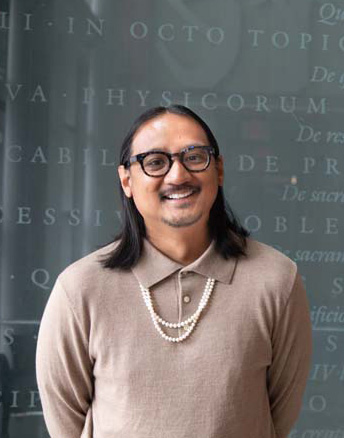 |
|---|---|---|
| Title | Assistant Professor of Art Therapy and Counseling Clinical Coordinator of the Master of Arts in Art Therapy and Counseling | |
| Background | B.A., University of South Alabama M.A., The School of the Art Institute of Chicago | |
| Office | Aquinas Hall, Room G19 | |
| Office Hours |
| |
| Phone | (203) 773-8549 | |
| jbulosan@albertus.edu | ||
| Courses |
| |
| Description | James Bulosan is a multifaceted art therapist, educator, and artist whose creative journey has been marked by a deep exploration of art and its intersection with psychology, research, community engagement, and the dynamics of human expression. He is an ATR-BC, CLAT who comes with over 20 years of clinical experience as an art therapist. His most recent clinical position was the Director of an expressive therapy program at a community hospital on the west side of Chicago. James has also been teaching since 2008 having taught at institutions such as The School of the Art Institute of Chicago and Syracuse University. He also contributes to the art therapy field at large holding positions of Associate Editor of Experimental Studies for Art Therapy: Journal of the American Art Therapy Association and the Equity Diversity and Inclusion (EDI) Advisor for the International Journal of Art Therapy. Along with his clinical work and teaching, James holds an art practice where he seeks to show a rounded viewpoint that looks to include the many roles we carry in life. Through clay he explores history, place, and self in liminal spaces using the work as an access point to develop expanding rhizomes. | |
| Specialties | Art therapy, research, social practice, and cultural narratives through material exploration. | |
| Affiliations |
| |
| Research | Through clay James explores history, place, and self in liminal spaces using the work as an access point to develop expanding rhizomes. His artwork attempts to create speculative archives by reclaiming “aesthetics” through materiality, form, color and symbolism. Pulling from historically familiar archetypes, the works act as points of engagement to produce new meaning for Filipino futures. | |