Bachelor of Science in Nursing (BSN) at Albertus
There is a critical shortage of caregivers in the United States, made more pronounced since the COVID-19 pandemic’s accelerated turnover rates and an aging workforce.
Overview
There is a critical shortage of caregivers in the United States, made more pronounced
since the COVID-19 pandemic’s accelerated turnover rates and an aging workforce. While
the demand for nurses is high, however, the availability of training programs is lacking.
Albertus is proud to be a part of the solution to Connecticut’s nursing shortage as
we introduce our newest degree—the Bachelor of Science in Nursing (BSN)—in Spring
2025.
The Albertus Nursing Program Degree Program
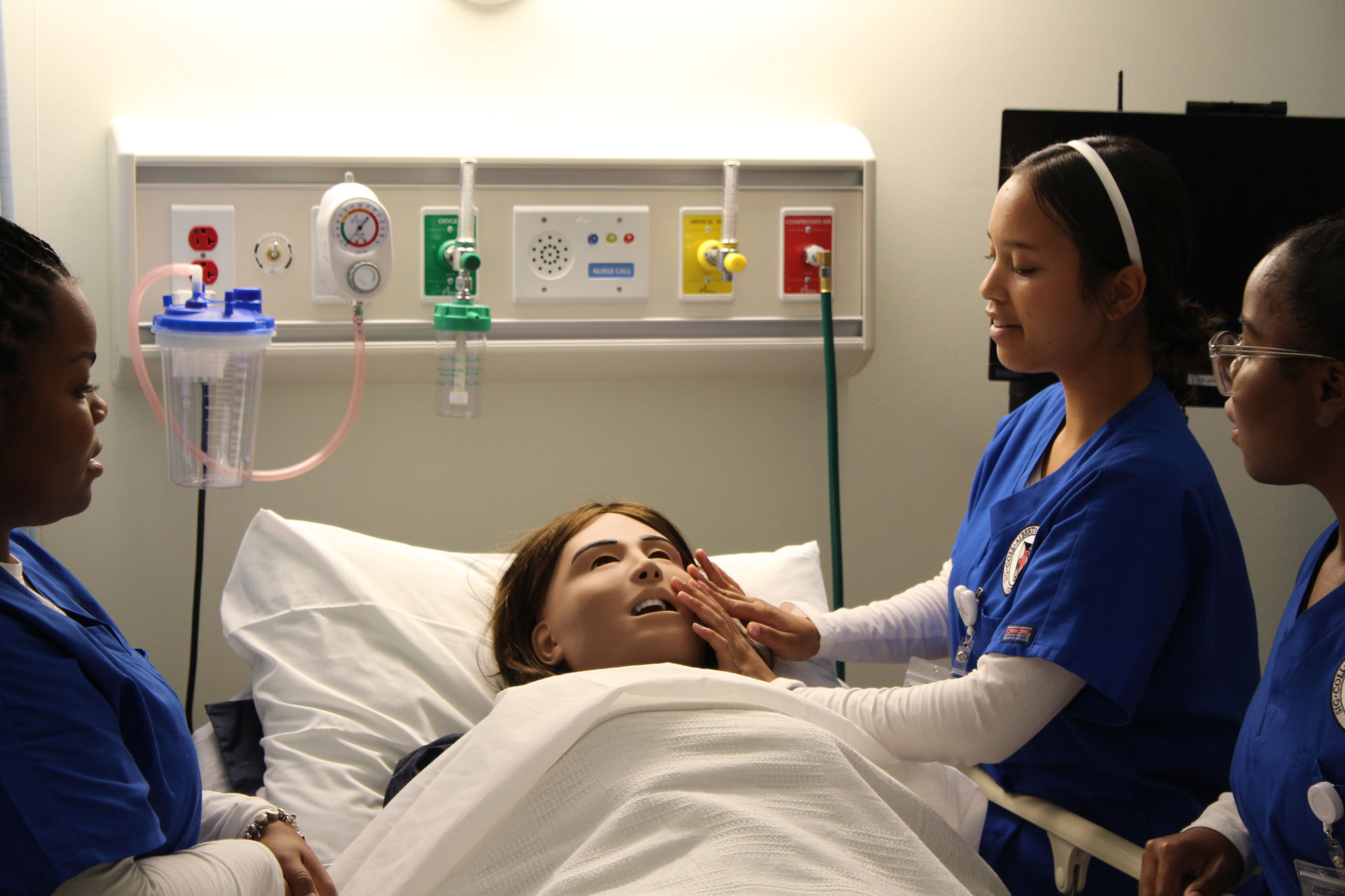
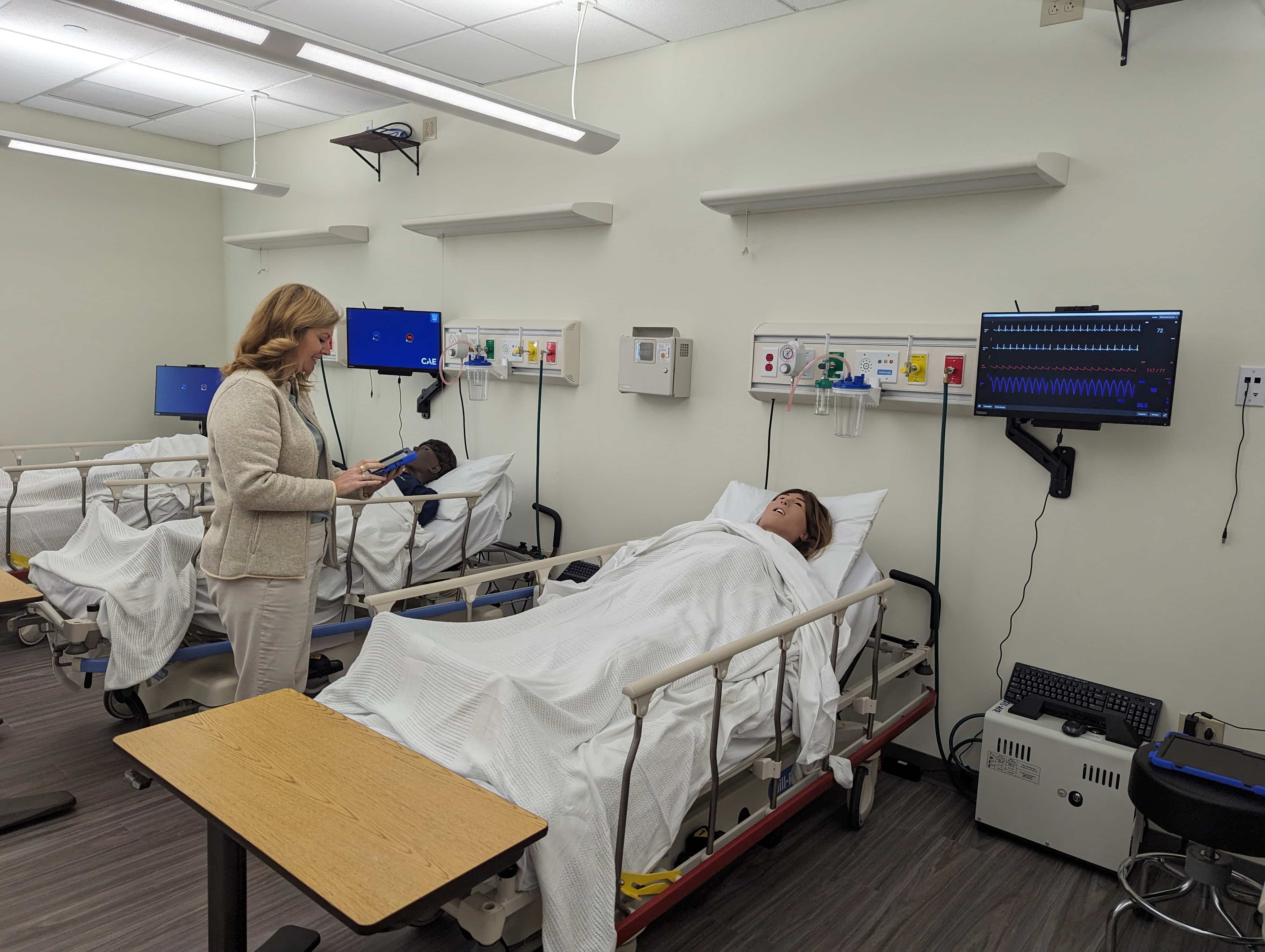
Nursing students will undertake two labs and six clinicals using brand-new, technologically advanced classrooms and state-of-the-art equipment to train the next generation of nurses.
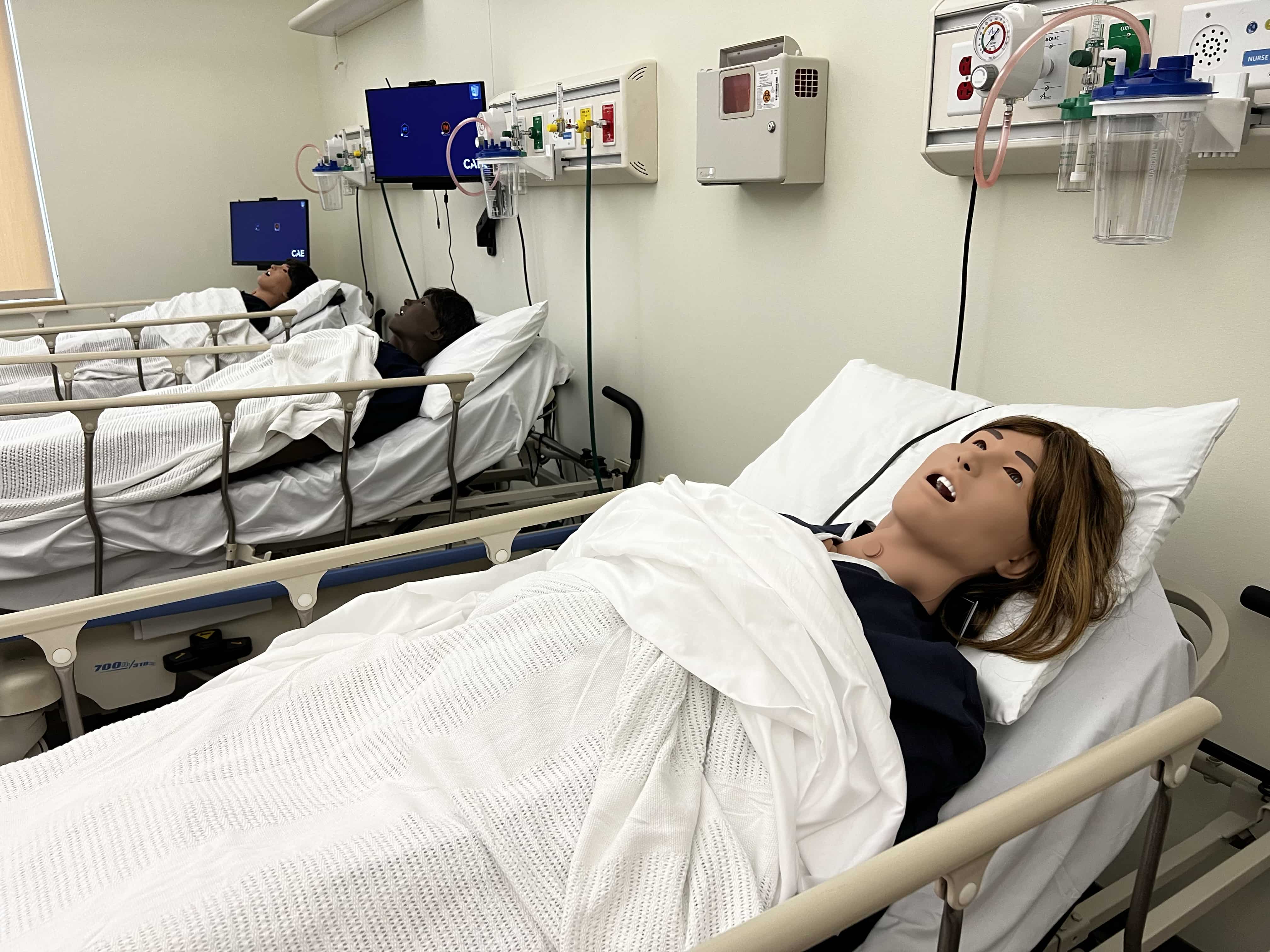
Every clinical nursing course will incorporate some element of simulation, carefully mimicking the environment of a hospital room with lifelike manikins in simulation labs.
- According to Indeed.com, there are currently more than 4,000 nursing job openings within 25 miles of New Haven, CT.
- Nursing is one of the fastest-growing professions within the United States, with more projected growth and an average annual salary approaching $120,000 in Connecticut (Indeed.com).
- The U.S. Bureau of Labor Statistics (2021) and HRSA project 500,000 seasoned RNs will retire in 2022.
Our state-of-the-art nursing skills and simulation labs feature mid- and high-fidelity manikins, providing the best training for real-life scenarios.
Clinical Partners
Albertus nursing students will benefit from clinical experience and research opportunities through relationships with our partners.










Nursing Program Student Perspective
“When I was an undergraduate healthcare management major at Albertus I always wondered, why don’t they have a nursing school?” says Karen Ennis ’18. Immediately following graduation, Karen began attending St. Vincent's College (now Sacred Heart College of Nursing) and now works as a dispensing nurse at APT Foundation.
“The close-knit Albertus community and faculty are invested in your success, and the College’s mission-driven focus on serving underserved populations makes it the perfect place to get a high-quality nursing education.”

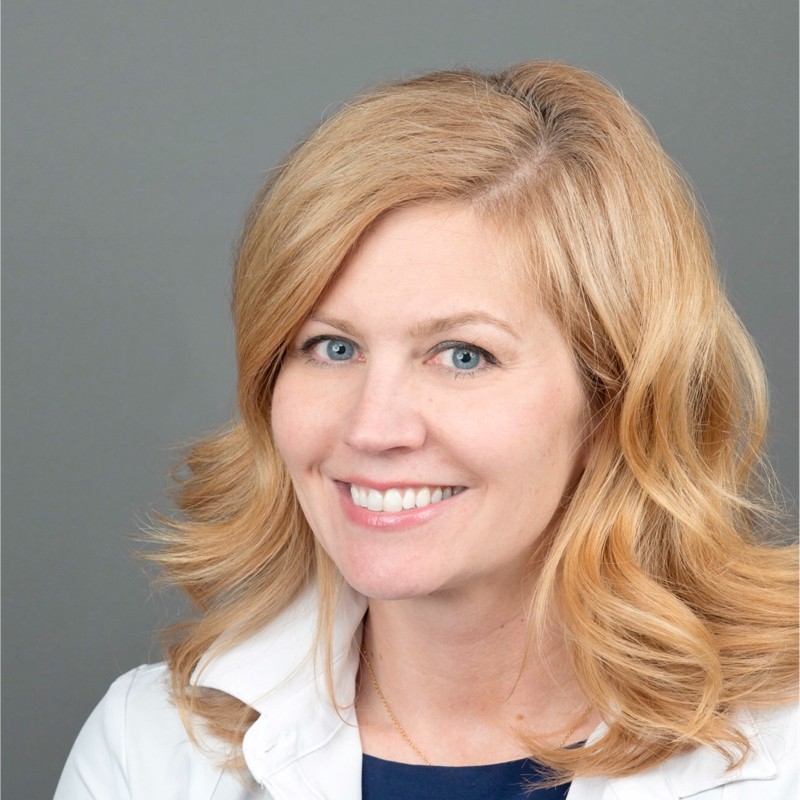
Program Director Cynthia Jeffrey, Ed.D., MSN, RN, CNE
“I am thankful and overjoyed to be joining the Albertus Magnus College Community at this pivotal moment in the College’s history and to be a part of the growth as we move forward with this exciting journey. Albertus is known for its interdisciplinary study and for being workforce ready, and preparing skilled, diverse graduates for the nursing field is more important now than ever,” said Dr. Jeffrey.
Read Cynthia Jeffrey's bio here.
The Albertus Nursing Program Faculty

Clinical Coordinator

Coordinator, LPN-to-BSN Program
Coordinator, CNA Training Program
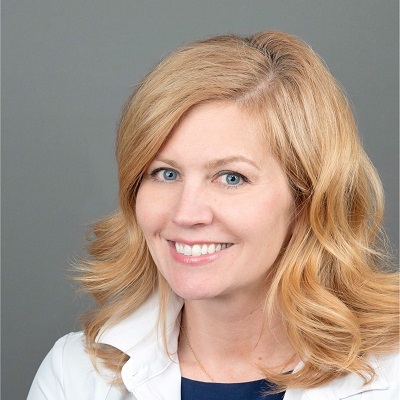
Director of Nursing Programs

Associate Director, Nursing Programs
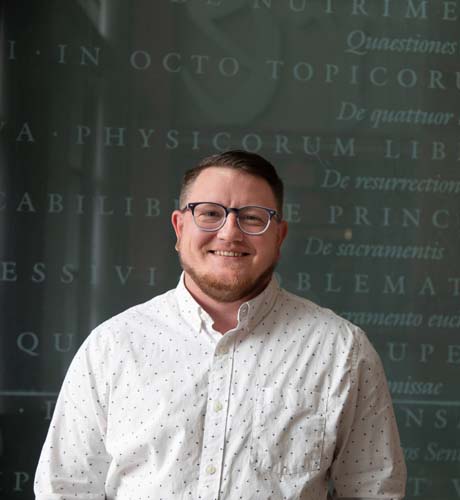
SIM Coordinator

Nursing Educational Outcomes
Upon successful completion of the Albertus Bachelor of Science in Nursing (BSN) program, students will be able to:
- Integrate evidence-based nursing knowledge and a liberal arts educational foundation to provide safe, effective, and patient-centered care for individuals, families, communities, and populations across the human lifespan.
- Apply scientific knowledge, clinical judgment, and culturally responsive nursing practices to promote health, reduce risk, prevent disease, and address the healthcare needs of diverse populations.
- Collaborate effectively and communicate respectfully with patients, families, communities, and interprofessional healthcare teams to optimize patient outcomes and enhance care coordination.
- Utilize healthcare technology, informatics, and patient care technologies to support clinical decision-making, communication, patient education, and the delivery of quality healthcare.
- Apply quality improvement and patient safety principles to minimize risk and contribute to the continuous improvement of healthcare systems and patient outcomes.
- Demonstrate professionalism, ethical practice, leadership, service, and a commitment to lifelong learning consistent with the Dominican values of study, community, service, and the pursuit of truth to advocate for patients and advance the nursing profession.
Nursing Student Handbook
For detailed information about academic expectations, clinical requirements, policies, and resources specific to the nursing program, please refer to the Nursing Student Handbook (PDF).
General Admission Requirements
- Successful completion of prerequisite courses with a grade of C or higher at a regionally accredited college or university.
- Minimum cumulative college grade point average of 3.0.
- Minimum cumulative college grade point average of 3.0 for science courses.
Coursework
The core nursing courses cover fundamental nursing concepts and skills, including:
- Pharmacology
- Pathophysiology
- Nursing Fundamentals
- Medical Surgical Nursing
- Maternal and Child Health
- Mental Health
- Community and Public Health Nursing
- Nursing Informatics
- Nursing Research and Evidence-Based Practice
For detailed information about academic expectations, requirements, policies, and resources specific to nursing students, please refer to the Nursing Student Handbook.
Interested in learning more about the diverse courses offered at Albertus?
Request Nursing Program Undergraduate Information
Accreditation Commission for Education in Nursing
Effective August 12, 2025, this nursing program is a candidate for initial accreditation by the Accreditation Commission for Education in Nursing. This candidacy status expires in Fall 2027.
Accreditation Commission for Education in Nursing (ACEN)
3390 Peachtree Road NE, Suite 1400
Atlanta, GA 30326
(404) 975-5000
acenursing.org
Note: Upon granting of initial accreditation by the ACEN Board of Commissioners, the effective date of initial accreditation is the date on which the nursing program was approved by the ACEN as a candidate program that concluded in the Board of Commissioners granting initial accreditation.
The Albertus Nursing Program Degree Mission Statement
In accordance with the mission of Albertus Magnus College, the nursing program is committed to assisting students in the development of ethical values, a spirit of intellectual inquiry, openness to the search for truth, and readiness to serve others.